


Mental Health Following A Stroke
Stroke can affect areas of the brain responsible for mood, emotions, and behavior. As a result, many stroke survivors experience mental health challenges during recovery, including anxiety, depression, and social isolation. These challenges are often referred to as post-stroke psychosocial stress.
When mental health concerns are not addressed, recovery can become more difficult and quality of life may decline. Stroke survivors who return home after hospitalization often rely on family members or loved ones, known as informal caregivers, for support. Because these caregivers typically do not have medical training, they may experience significant stress and caregiver burden while helping their loved one through recovery.
Addressing both survivor and caregiver mental health is an important part of improving recovery after stroke. With the right supports and interventions, it is possible to reduce psychosocial stress and improve overall well-being during the recovery process.
The Mental Health Program focuses on developing behavioral interventions, therapies, and support strategies that help stroke survivors and their caregivers navigate this critical period after stroke. Our research aims to better understand post-stroke psychosocial stress and develop approaches that improve education, support services, and long-term recovery outcomes within our communities.
-
Resources for Stroke Survivors & Informal Caregivers
Stroke Survivors Resources
Informal Caregivers Resources
- Caregiver Guide to Stroke, American Heart Association
- How Should I Communicate as a Caregiver, American Heart Association
- What Is Caregiver Burnout?, American Heart Association
- Intimacy After Stroke, American Stroke Foundation
Emotional Health Resources
- Emotional Effects of Stroke, American Stroke Association
- Support Network, American Stroke Association
- Depression Basics, National Institute of Mental Health
- Mental Health Resources, Mental Health America of Greater Houston
-
LIVE-WELL Study: Supporting Emotional Recovery After Stroke
The LIVE-WELL Study is for adults who have experienced their first stroke within the past 3 months. The study focuses on emotional well-being during recovery, including post-stroke depression.
Participation is free, and eligible individuals may receive compensation.
To learn more or check eligibility:
- 713-500-2230
- [email protected]
- Study Website
-
Post-Stroke Depression Study

If you have experienced a recent stroke and are struggling with depression, our ongoing research study may be able to assist you. If you qualify you can expect a no cost MRI and PET scan, a free mental health evaluation, and a referral to a mental health provider.
To learn more contact Caitlin Farrington, Clinical Research Coordinator
(713) 500-8207
-
Local Support Groups
Resources
- Stroke Support Group Finder, American Stroke Association
- Memorial Hermann Stroke Survivor Group Listing:
-
In-Person Support Groups
Patients, family and other caregivers are invited to join us and other survivors as we share, discuss and learn about living life after Stroke.
Memorial Hermann Stroke Support Group at Texas Medical Center
The group meets the third Wednesday of every month at 2:30 p.m. at Memorial Hermann-Texas Medical Center hospital in the 7 Jones Conference Room on the 7th Floor of the Jones Pavilion[Street Map]. Valet parking is complimentary at the main Cullen valet.
Memorial Hermann Stroke Support Group at The Woodlands Medical Center
Memorial Hermann The Woodlands Medical Center Stroke Support Group meets the first Wednesday of each month from 6:00 p.m. to 7:00 p.m. The group meets in the Conference Center.[Street Map]
Memorial Hermann Stroke Support Group at Northeast
The Memorial Hermann Stroke Support Group at Northeast the 4th Wednesday of every even month at 12:30 p.m. in classroom B.[Street Map]
Memorial Hermann Stroke Support Group at Greater Heights
The Memorial Hermann Stroke Support Group at Greater Heights meets the third Thursday of every month at 3:00 p.m. in the South Tower Classroom.[Street Map]
Memorial Hermann Stroke Support Group at Memorial City
The Memorial Hermann Stroke Support Group at Memorial City meets at 10:30 a.m. every Tuesday. The group meets at The Gate at the Connection Center, 13194 Memorial Drive.[Street Map]
Memorial Hermann Stroke Support Group of Katy
The Memorial Hermann Stroke Support Group of Katy meets from 6:00 p.m. to 7 p.m. on the third Thursday of every month in the Tiger B Conference Room (West Tower, 1st floor) of the hospital. The Stroke Support Group is a program of Memorial Hermann Katy Hospital and Memorial Hermann Rehabilitation Hospital?Katy.[Street Map]
Memorial Hermann Southwest Hospital Stroke Support Group
The Memorial Hermann Southwest Hospital Stroke Support Group meets from 2:00 p.m. to 3:00 p.m. on the third Thursday of every month at Memorial Hermann Southwest Hospital, Pavilion Classroom.[Street Map]
Memorial Hermann Southeast Hospital Stroke Support Group
The Memorial Hermann Southeast Hospital Stroke Support Group meets every even month in the 1st Floor CES Conference Room.[Street Map]
Call (713) 222-CARE to register or for more information over any Memorial Hermann Support Groups.
-
-
The Jung Center's Mind Body Spirit Institute

Weekly Meditation Program
The Jung Center Mind Body Spirit Institute offers free, guided meditation programs delivered online via live streaming, allowing participation from home or any location with internet access. These programs focus on stress reduction, emotional regulation, and psychological well-being, and may provide supportive benefit for stroke survivors experiencing post-stroke depression and anxiety.
For program details and registration, visit the Mind Body Spirit Institute, browse upcoming events here, or view current meditation sessions here.
-
The S.T.O.P. Formula
During the day, if you find your mind is racing, you are having trouble focusing, or you are feeling overwhelmed, angry, agitated, worried, or critical (of self and others), use the STOP Formula - Susan Bauer-Wu, PhD, RN, FAAN
S – Stop, pause
T – Take a few slow, deep breaths and tune in
O – Open and Observe – notice what is on your mind and how you feel
P – Proceed with awareness, kindness, and wise action (or inaction)
Dr. Alejandro Chaoul shares a few mindful "pills" to do between interpreting encounters, or stressful moments that can be viewed here.
-
Mental Health Awareness Dates
- February
- March
- April
- May
- June
- July
- September
- October
- November
Our brain is in charge of most things in our body, including our thoughts, feelings, and behaviors. When someone experiences a stroke, it can affect parts of the brain that control our mood and behavior so that they no longer work as they used to before the stroke. That is why those who have had a stroke often struggle with common mental health problems, such as anxiety, depression, and social isolation, during and after their recovery. In general, we call these concerns Post-Stroke Psychosocial Stress.
Stroke Awareness: Know the Signs, Reduce Risk, and Support Recovery
Mental Health After Stroke

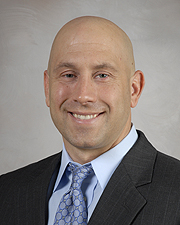
McGovern Medical School at UTHealth Houston
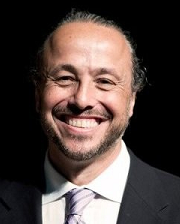
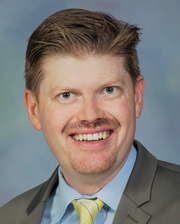

Department of Psychiatry and Behavioral Sciences at UTHealth Houston

For Health Care Professionals
The stroke institute holds a monthly mental health program meeting every 3rd Wednesday of the month at 4 PM CST on TEAMS to discuss current projects related to stroke and mental wellness and ideas for future projects. Interested in joining? Email Dr. Jennifer Beauchamp at [email protected].